
Delaware Valley ACO Recognized by The Hospital and Healthsystem Association of Pennsylvania
Radnor, PA September 21, 2020 Delaware Valley ACO and its parent organizations, Main Line Health and Jefferson Health, were recognized for their collective work to create an innovative collaborative post-acute care strategy by the Hospital and Healthsystem Association of Pennsylvania (“HAP”). The “2020 Living the Vision Achievement Award” was presented to DVACO and its owners at HAP’s 2020 Patient Safety and Quality Symposium, held virtually September 9-10, 2020.
HAP’s prestigious “Living the Vision Award” recognizes one project that demonstrates accomplishments in all dimensions of the health care “Triple Aim” of improving community health and patient experience, while reducing health care costs. HAP selected DVACO and its owners from among 131 entrants for this honor.
The ACO’s Post Acute Care (“PAC”) Steering Committee, led by Beth Souder, PT, MSPT, DVACO Interim Vice President for Clinical Operations, and comprised of clinical leaders from DVACO, Jefferson Health and Main Line Health, were instrumental in identifying the improvements that led to led to this recognition.
Reflecting on this accomplishment and the work ahead, Ms. Souder stated:
“As the vehicle by which Jefferson Health System and Main Line Health System choose to collaborate on population health and value-based care, it is a true honor to have our collective work recognized and rewarded by HAP with the “Living the Vision Award”. Two large hospital health systems in the Delaware Valley having an aligned, data driven, evidence-based post acute strategy focused on improving value is a win-win situation. It benefits our patients, our post-acute partners, our physicians, our hospital partners and our payor partners.”
This is the third major award for DVACO’s groundbreaking work in post acute services, with work previously recognized by the National Association of ACOs and MCG Health.
Learn more about the 2020 Living the Vision Achievement Award
Read more in Pennsylvania ACO’s Post-Acute Care Strategy Reinforces Best Practices by David Raths
Mark Angelo, M.D. on Advancing Health Equity in Palliative and Hospice Care
Mark Angelo, M.D. on Advancing Health Equity in Palliative and Hospice Care
It was welcomed news when the Centers for Medicare and Medicaid (CMS) announced its commitment to promoting equity in health care as an essential tenet of improving the health care delivery system. At a July 19, 2022 forum sponsored by CMS through the Value Based Care Learning System, Mark Angelo, M.D., who serves as Chief Medical Officer of the Delaware Valley ACO, as well as its President and Chief Executive Officer, contributed to this aim by participating in a national panel on Advancing Health Equity in Palliative and Hospice Care.
Discussing the persistent disparities in care in the US healthcare system, Dr. Angelo, who is board certified in palliative medicine, observed the following: “We [may] experience a larger dependency on post-acute care in underrepresented minority population, because of all the social factors that surround [this] population...often [they] are diagnosed with later stage illness and may face inferior outcomes to treatment based on access to care.” The panelists concurred that systemic racism may also impact the rate at which minorities experience less than optimal treatment in hospital facilities and inequal access to home care.
Dr. Angelo identified challenges providers face in having crucial conversations with patients, stating, “Communications in end of life are super difficult. . . throw in disparities between the people having the communication . . .[such as] different levels of understanding [and] preconceived notions that each bring to the table.” The conversation among the panel pointed to a growing body of research in the field, indicating, for example, that such preconceived notions have been shown to lead to differences in medication prescription across ethnicities due to beliefs about pain tolerance or biases about the potential for abuse.
Discussing initiatives at DVACO, Dr. Angelo noted an internal DVACO study regarding access to Transcatheter Aortic Valve Replacements (TAVR) in historically underserved communities. (TAVR is a breakthrough treatment that uses a catheter to replace the aortic valve instead of breaking the chest open.) A review conducted by DVACO found that patients residing in more affluent, predominately White zip codes receive TAVRs much more frequently than patients with similar diagnoses who are Black and/or who do not reside in such areas. Dr. Angelo noted that DVACO is actively working with community cardiologists to promote awareness of the disparity and improve access for this life saving procedure.
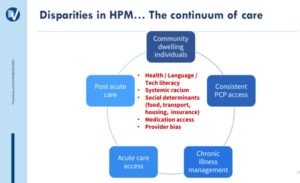
Figure 1. For more information on CMS Health Equity initiatives, visit CMS.gov or click here.